Jallianwala Bagh
The Story
On 13 April 1919, the day of the Baisakhi festival, thousands of families — men, women, children and old people — gathered peacefully in a walled garden called Jallianwala Bagh in Amritsar. Many had come for the festival, others to protest peacefully against harsh new laws.
A British officer named General Reginald Dyer marched in with soldiers, blocked the only main exit, and ordered his men to fire without warning. The horror of what happened that day shook India to its core and made millions decide that British rule had to end.
On the afternoon of 13 April 1919, a large crowd had gathered in the walled Jallianwala Bagh in Amritsar, Punjab, on the day of Baisakhi. Some had come for the festival, others to protest peacefully against the Rowlatt Act, which allowed the British to jail people without trial.
Brigadier-General Reginald Dyer marched in a detachment of about ninety soldiers, blocked the narrow exits, and without any warning ordered them to open fire on the unarmed crowd.
The firing continued for about ten minutes and only stopped when the ammunition ran out. Official British estimates put the death toll at 379, but Indian sources, including the Congress inquiry, counted well over a thousand dead.
Rabindranath Tagore returned his British knighthood in protest. The massacre destroyed whatever trust remained in the goodness of British rule and pushed millions towards the freedom movement.
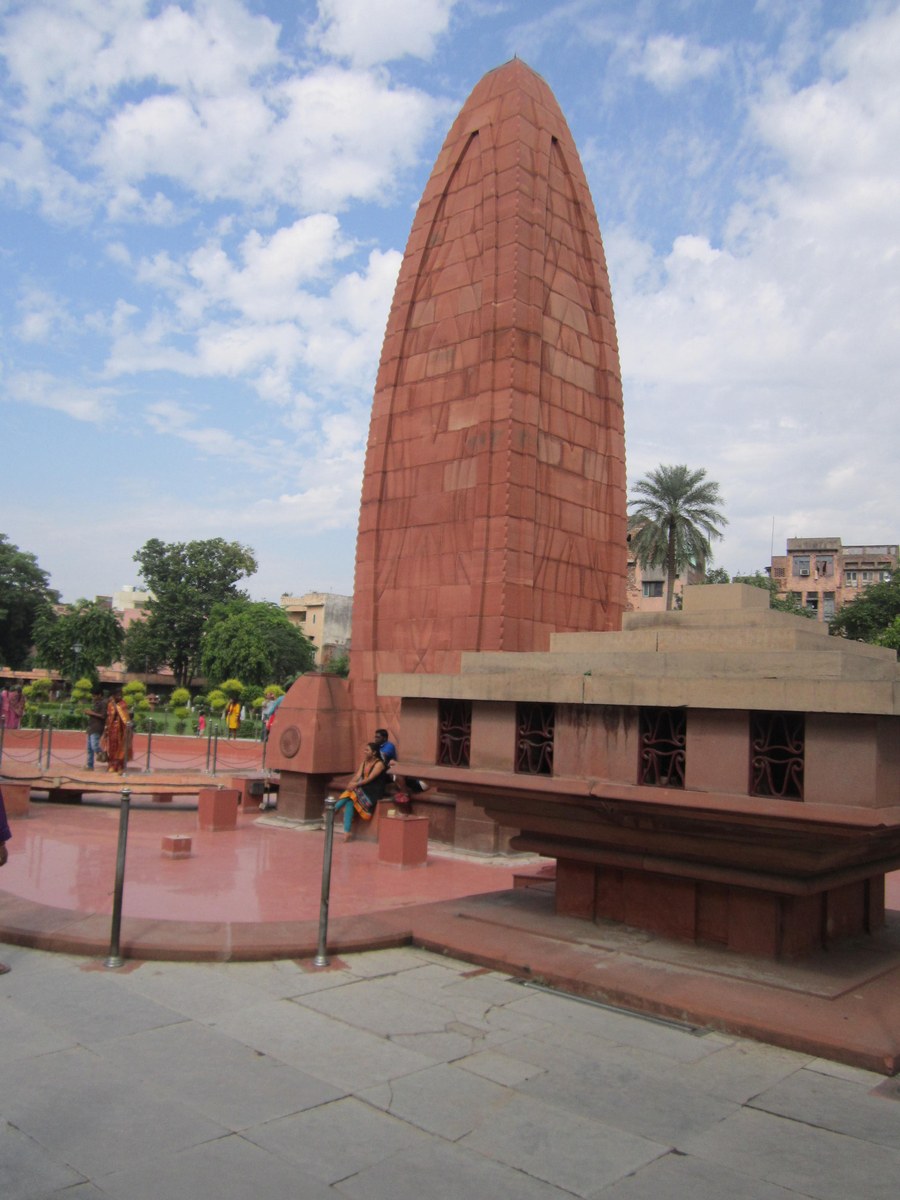
Gandhi launched the Non-Cooperation Movement soon after. Jallianwala Bagh is today a national memorial that people visit to remember those who died there.
Learn More
These links go to other websites — ask a grown-up before tapping.