The Kalinga War
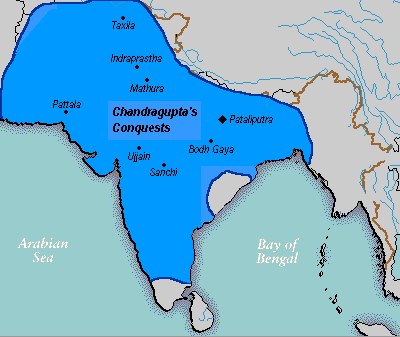
Symbolic image — a map or later illustration, not a photograph of the event. Image via Wikimedia Commons — Mauryan territory map.
The Story
Around 261 BCE, Emperor Ashoka led his huge army east to conquer the kingdom of Kalinga, on the coast of what is today Odisha. Ashoka won the battle, but the cost was terrible — over a hundred thousand people died, and many more lost their homes.
When Ashoka walked across the battlefield afterwards and saw so much sorrow, his heart broke. He decided that no more wars like this would be fought in his name.
From that day, he followed the teachings of the Buddha and worked for peace, kindness and welfare across his whole empire.
The Kalinga War, fought around 261 BCE, was the last big conquest of the Mauryan Empire. Ashoka's forces defeated the powerful kingdom of Kalinga on India's east coast, but the human cost shocked even the emperor.
In his own words, carved into Rock Edict XIII, he tells us that around 100,000 people were killed, 150,000 were taken away as captives, and many more died later from disease and hunger.
Deeply moved, Ashoka gave up war as a way to expand his kingdom. He became a follower of Buddhism and began preaching Dhamma — a public ethic of non-violence, truthfulness, tolerance among religions, and care for animals, elders and travellers.
He sent Buddhist teachers as far as Sri Lanka, Central Asia, Egypt and Greece. Hospitals, wells, rest-houses and planted shade trees became part of state work.
The war is remembered as one of the great turning points in world history, when a victorious king chose peace over more conquest.
Learn More
These links go to other websites — ask a grown-up before tapping.